
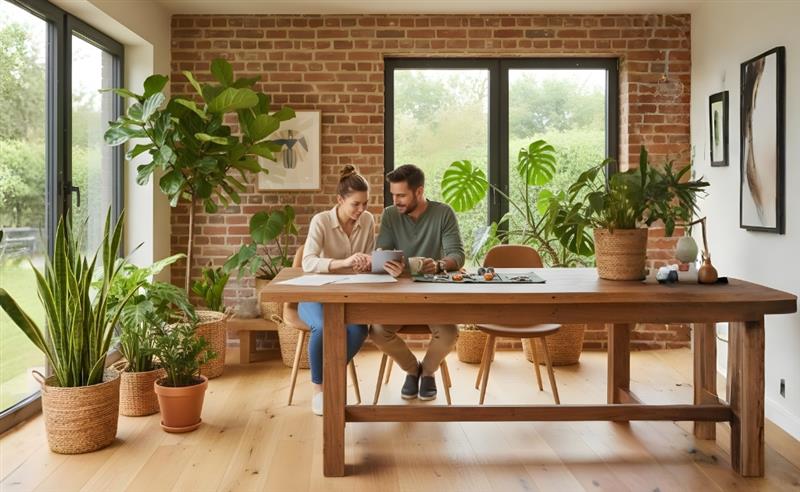
Eco-Friendly Home Maintenance Tips for Sustainable Living
In today’s fast-paced living, sustainable living has become a responsibility, and it’s no longer a choice. Our Modern Homes today consume a significant amount of energy, water, and resources each and every day, which is the reason that eco-friendly home maintenance plays a very important role in sustainable living. Shifting to green home maintenance practices helps in reducing utility bills, promotes better indoor health, and contributes to long-term environmental sustainability.
In this article, we will learn about practical, cost-effective, and eco-friendly home maintenance tips that promote sustainable living while enhancing your home’s comfort, energy efficiency, and long-term durability of your home.
Why Eco-Friendly Home Maintenance Is Important
Eco-friendly home maintenance focuses on reducing waste, conserving natural resources, and minimizing harmful emissions through responsible and mindful household practices. It emphasizes on using natural or biodegradable cleaning products, improving energy efficiency, and adopting water-saving techniques that reduce environmental impact. By selecting sustainable materials, maintaining appliances properly, and reducing unnecessary consumption, homeowners can create a healthier living environment while supporting long-term ecological sustainability.
On the other hand, traditional housekeeping techniques use chemical-based products, excessive water, and inefficient systems that have significant effects on the environment. They lead to air and water pollution, a rise in the level of greenhouse gases, and depletion of natural resources. They may have negative effects on indoor air quality and lead to a rise in utility bills, making them unsustainable. They are associated with negative effects on the indoor air quality of houses.
Benefits of Sustainable Home Maintenance Include:
- Reduced Carbon Footprint
- Lower Electricity and Water bills
- Healthier Indoor Air Quality
- Increased Property Value
- Long-term Cost Savings
By making these small and conscious changes, homeowners can play a big role in environmental conservation.
1. Use Natural and Eco-Friendly Cleaning Products
Many conventional cleaning products contain toxic chemicals that further contribute to the poisoning of water sources and degrade indoor air quality. A simple yet effective step is to use eco-friendly cleaning products.Sustainable cleaning tips:
- Use natural ingredients such as vinegar, baking soda, lemon, and castile soap
- Opt for cleaning products that are biodegradable and plant-based
- Avoid products that contain phosphates, chlorine, ammonia, and artificial fragrances
- Make cleaners at home to reduce plastic packaging waste
2. Improve Energy Efficiency at Home
Energy use is one of the significant factors that contribute to the emission of greenhouse gases, making it one of the major drivers of climate change. Houses that are characterized by inefficient use of light, appliances, and improper insulation use more electricity and fuel compared to other homes. Therefore, through energy efficiency, one can reduce the wastage of energy and contribute to a positive impact on a more sustainable lifestyle.Energy-Saving Home Maintenance Tips:
- Replace Incandescent Bulbs with LED or CFL lights
- Turn off lights and appliances when not in use
- To avoid “phantom power” loss, use “smart” power strips
- Choose energy-efficient appliances with high star ratings
- Get your Air Conditioners and Heaters maintained regularly.
3. Practice Water Conservation Daily
Water scarcity is an emerging global concern triggered by global warming and excessive consumption. Sustainable water management at home plays an important role in conserving this essential resource by reducing water waste, improving efficiency, and promoting responsible daily usage.Eco-friendly water-saving tips:
- Repair dripping taps, toilets, and water pipes immediately
- Install low-flow faucets, showerheads, and dual-flush toilets
- Harvest Rainwater for Gardening and Cleaning
- Reuse greywater for plants and outdoor cleaning
- Run washing machines only with full loads
4. Choose Sustainable Materials for Repairs and Renovations
It is essential to select sustainable and eco-friendly materials when maintaining or upgrading your home. These product choices directly affect energy efficiency, indoor air quality, and long-term environmental impactSustainable Material Options
- Bamboo, Cork, or Reclaimed wood
- Recycled Metal, Glass, and Tiles
- Low-VOC or VOC-free paints and finishes
- Locally sourced materials to reduce carbon emissions
5. Improve Indoor Air Quality Naturally
Indoor air can often be more polluted than outdoor air because of the presence of household chemicals, accumulated dust, allergens, and poor ventilation.Natural Ways to Enhance Indoor Air Quality:
- Keep indoor plants like snake plant, areca palm, aloe vera, and peace lily
- Ventilate your home daily by opening windows
- Don’t use chemical air fresheners and incense sticks.
- Use essential oils or natural diffusers
6. Reduce Waste Through Recycling and Composting
Waste reduction is a key element of sustainable living, and effective waste management plays an important role in reducing landfill pressure, lowering pollution levels, and conserving valuable resources.Eco-friendly Waste Management Tips:
- Segregate Wastes into wet, dry, and recyclable categories
- Compost kitchen waste to create organic fertilizer
- Refrain from using single-use plastics and disposable products
- Reuse glass jars, containers, and cloth bags
- Discard old furniture, clothes, and electronics
7. Perform Regular Preventive Home Maintenance
Regular home maintance service helps minimize resource-intensive repairs and replacements, saving materials, energy, and long-term maintenance costs.
Sustainable maintenance practices:
- Clean and replace HVAC filters periodically
- Inspect insulation to prevent heat loss
- Check plumbing and electrical systems periodically
- Seal doors and windows to prevent air leakage
A well-maintained house will always be more energy-efficient and environmentally friendly.
8. Use Eco-Friendly Pest Control Solutions
Harmful effects to the environment and human health mostly come from chemical pest control, which could lead to environmental poisoning as toxins are released into the atmosphere, soil, and water. Such environmental toxins could pose health risks to humans and alter natural habitats.Natural pest control methods:
- Seal cracks, gaps, and entry points
- Keep kitchens dry and food sealed
- Use neem oil, vinegar sprays, or essential oils
- Encourage natural predators like birds
9. Adopt Renewable Energy Where Possible
If feasible, adopting renewable energy sources can significantly reduce your home’s carbon footprint.Renewable energy options:
- Install solar panels for electricity or water heating
- Use solar-powered outdoor lights
- Choose renewable energy providers where available
Conclusion: Small Steps, Big Impact
Eco-friendly home maintenance practices play an important role in sustainable living. Eco-friendly homes not only benefit nature but also provide healthier indoor environments. Moreover, such homes reduce the carbon footprint that affects the climate.
You don’t need to upgrade everything at a time. Start with small and consistent steps, because when every home goes green, the impact is powerful.
Sustainable living begins at home.
SERVICES LINKS
GET IN TOUCH
- Jumeirah Bay X2 - 1401 - Cluster X - Al Thanyah Fifth - Jumeirah Lake Towers - Dubai - United Arab Emirates
FOLLOW US ON
© 2026 – FIX TO HOMES – All right are reserved.
Developed by KKonect Us Agency